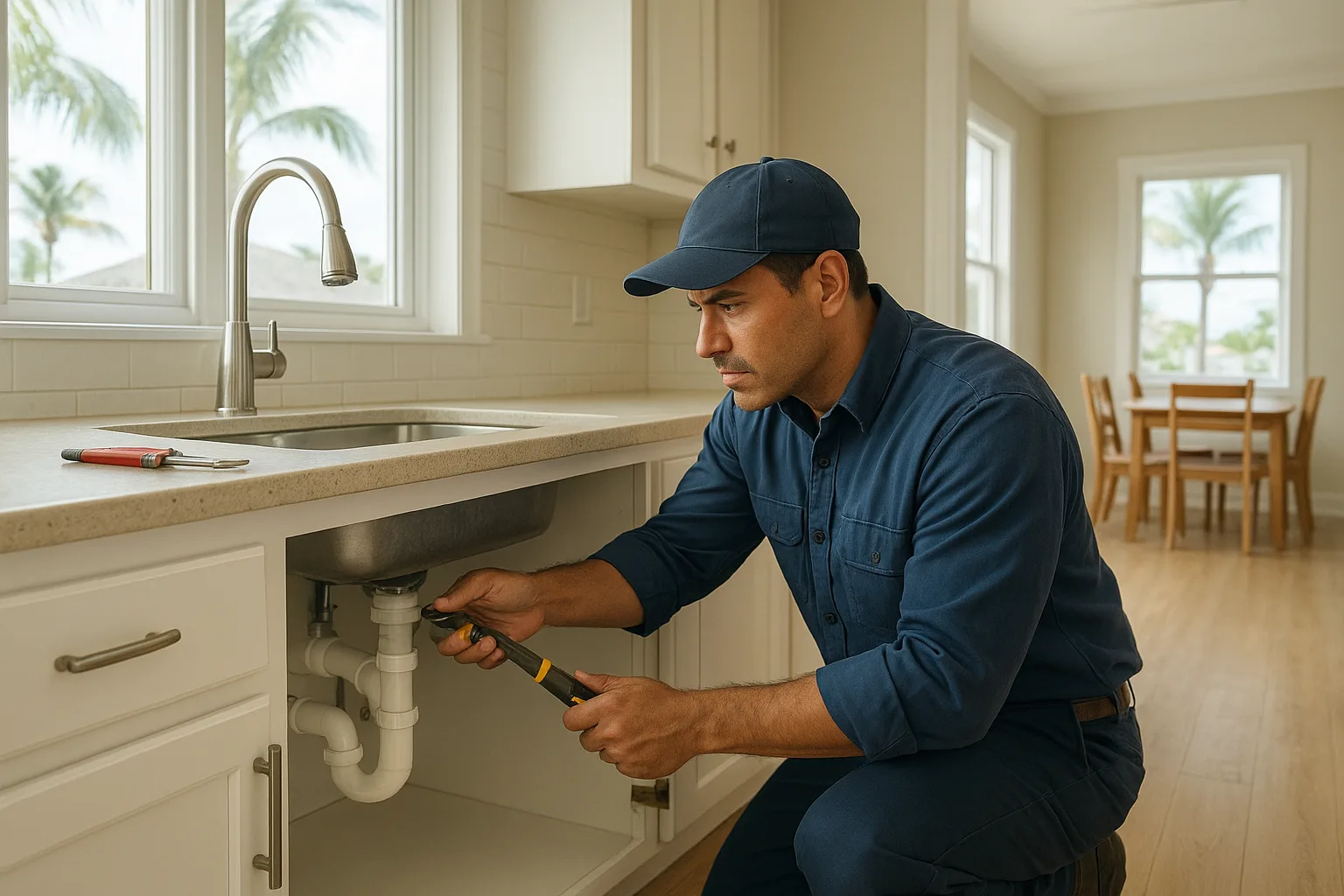
Why drains slow down in Fort Walton Beach homes
When a sink, tub, or toilet starts draining slowly, it is usually a warning sign rather than a one-time annoyance. In Fort Walton Beach homes, everyday use, coastal humidity, and the plumbing demands of busy households can all contribute to buildup inside the pipes. Over time, soap residue, hair, food scraps, grease, and mineral deposits can narrow the line until water has nowhere to go.
Some clogs form gradually. Others show up after a single mistake, like rinsing grease down the kitchen sink or flushing something that should not have gone through the toilet. Either way, the result is often the same: slow drains, unpleasant drain odors, and eventually a drain backup that interrupts daily routines.
If you have been dealing with recurring clogs, it may be time to look beyond a plunger and consider professional clogged drain cleaning. A targeted approach can clear the blockage and help you understand why it keeps returning.
Common signs you need drain cleaning
Not every blocked line stops water completely. Many homeowners notice warning signs long before a full backup happens. Paying attention early can save time, stress, and damage to floors or cabinets.
Slow draining fixtures
A kitchen sink that takes longer than usual to empty, a shower drain clog that leaves water pooling around your feet, or a toilet that does not flush cleanly can all point to buildup in the line. Slow drains are often the first clue that the pipe is narrowing.
Gurgling sounds and bad smells
Air trapped in a partially blocked pipe can create gurgling sounds in sinks or tubs. Drain odors may also appear when waste and standing water sit in the line too long. These smells are more than unpleasant. They can indicate that debris is collecting where it should not be.
Multiple fixtures acting up at once
If the kitchen sink, bathroom tub, and toilet all seem affected, the problem may be deeper in the system. That is when sewer drain clearing becomes more important, because the issue may be in the main line rather than a single fixture.
What usually causes recurring clogs
Recurring clogs are frustrating because they make it seem like the problem is solved, only to return days or weeks later. In many cases, the blockage was never fully removed in the first place. In other cases, the pipe has a hidden issue that keeps collecting debris.
Grease buildup in kitchen drains
Grease is one of the biggest causes of kitchen drain clog problems. Even when it goes down as a liquid, it cools and hardens inside the pipe. Food particles stick to it, and the buildup gets worse over time. Homeowners often notice the sink draining slower after heavy cooking or dishwashing.
Hair, soap, and bathroom residue
Bathroom drains collect hair, soap scum, and toothpaste residue. In showers and tubs, this can lead to a shower drain clog that develops slowly and becomes harder to clear with basic household methods.
Tree roots in the sewer line
In some Fort Walton Beach and Okaloosa County neighborhoods, tree roots can find small openings in underground pipes. Once inside, they grow and trap debris. This can cause repeated backups, especially after heavy use or storm-related ground shifting. When tree roots are involved, a camera inspection is often the best way to confirm the problem.
Pipe damage or poor slope
Sometimes the issue is not just buildup. Older or damaged pipes, sagging sections, or improper slope can allow waste to settle instead of moving freely. That is why repeated blockages deserve a closer look instead of repeated guesswork.
Why DIY fixes only go so far
Many homeowners try a plunger, baking soda, vinegar, or a store-bought drain opener before calling a plumber. These methods can help with minor buildup, but they are not always enough for deeper clogs or sewer drain clearing. In some cases, harsh chemicals can even damage pipes or make the problem harder to diagnose later.
A drain snake may remove part of the blockage, but if grease buildup, tree roots, or a damaged section of pipe is the real issue, the clog may come back quickly. That is especially true when the same drain keeps failing after temporary relief.
Professional drain cleaning offers a more complete solution. It is not just about opening the line today. It is about restoring flow and finding out what is causing the blockage in the first place.
How professional drain cleaning works
When a technician evaluates a drain problem, the first step is usually identifying where the clog is located and how severe it is. For simple fixture issues, a direct clearing method may solve the problem. For recurring clogs or backups in multiple drains, a camera inspection can help reveal what is happening inside the pipe.
Camera inspection for accurate diagnosis
A camera inspection allows the plumber to view the inside of the drain line in real time. This helps locate grease buildup, root intrusion, cracks, or low spots that trap waste. It also reduces guesswork, so the right fix can be chosen faster.
Hydro jetting options for stubborn buildup
For heavy sludge, grease, or repeated buildup, hydro jetting options may be recommended. This process uses high-pressure water to wash away residue from the inside of the pipe. It can be especially effective for kitchen lines and other drains with stubborn deposits, as long as the pipe condition is suitable for the service.
Targeted clearing for toilets and fixtures
Toilet drain clearing requires care because the blockage may be in the fixture trap, the branch line, or farther down the system. A trained technician can use the right tools to clear the line without causing unnecessary damage.
What to do when a drain backup happens
If water is rising in a sink, shower, or toilet, stop using nearby fixtures right away. Continued use can push more water into a blocked line and worsen the backup. If the problem involves sewage, avoid contact with the water and keep children and pets away from the area.
For a single slow fixture, you may be able to reduce stress on the line until help arrives. For multiple fixtures, strong odors, or wastewater returning into the home, emergency drain service is the safer choice. These situations can escalate quickly, especially if the main line is involved.
How Fort Walton Beach homeowners can reduce future clogs
Drain cleaning is most effective when it is paired with good habits. Small changes can make a big difference in how often clogs return.
Keep grease out of the sink
Never pour grease, oil, or fat down the kitchen sink. Let it cool, then dispose of it in the trash according to local guidelines. Wipe pans with a paper towel before washing them.
Use drain strainers
Hair catchers and sink strainers can help prevent debris from entering the line. They are simple, inexpensive, and especially useful in homes where showers and kitchens see heavy daily use.
Watch for early warning signs
If you notice slow drains, gurgling, or drain odors, do not wait until the problem becomes a full blockage. Early service can often prevent a larger drain backup and reduce the chance of water damage.
Schedule maintenance when clogs keep returning
Homes with recurring clogs may benefit from routine inspection and cleaning, especially if the property has older pipes or mature trees nearby. A camera inspection can help determine whether maintenance should be more frequent or whether a deeper repair is needed.
Local help for drain problems in Fort Walton Beach
Homeowners in Fort Walton Beach, Okaloosa County, and the surrounding Florida Panhandle need a drain solution that fits the problem, not a one-size-fits-all guess. Whether you are dealing with a kitchen drain clog, a shower drain clog, toilet drain clearing needs, or sewer drain clearing for a larger blockage, a careful diagnosis can save time and frustration.
If your drains are slowing down, backing up, or producing odors, it is a good idea to get them checked before the issue spreads. Professional clogged drain cleaning can restore flow and help protect your plumbing system from repeated damage.
For help with drain cleaning in Fort Walton Beach, call (850) 258-3225 or visit asuperiormechanical.com to learn more.
Frequently Asked Questions
Common signs include slow drains, gurgling noises, recurring clogs, drain odors, and water backing up in sinks, tubs, or toilets. If more than one fixture is affected, the issue may be deeper in the system.
Minor clogs may respond to a plunger or a drain snake, but grease buildup and deeper blockages often need professional clogged drain cleaning. Store-bought chemicals can also damage pipes if used too often.
Call for emergency drain service if wastewater is backing up into the home, multiple fixtures are affected, or you notice sewage odors. These can be signs of a main line problem that should be addressed quickly.
A camera inspection lets the plumber see inside the drain line and locate the cause of the blockage. It can reveal tree roots, pipe damage, grease buildup, or other blocked line symptoms that are hard to diagnose from the surface.
Service Area
Need Drain Cleaning Help in Fort Walton Beach?
Call Clogged Drain Cleaning in Fort Walton Beach or request service online.
Request Service